Ruth Porat Headlines CERAWeek with Energy-AI Vision
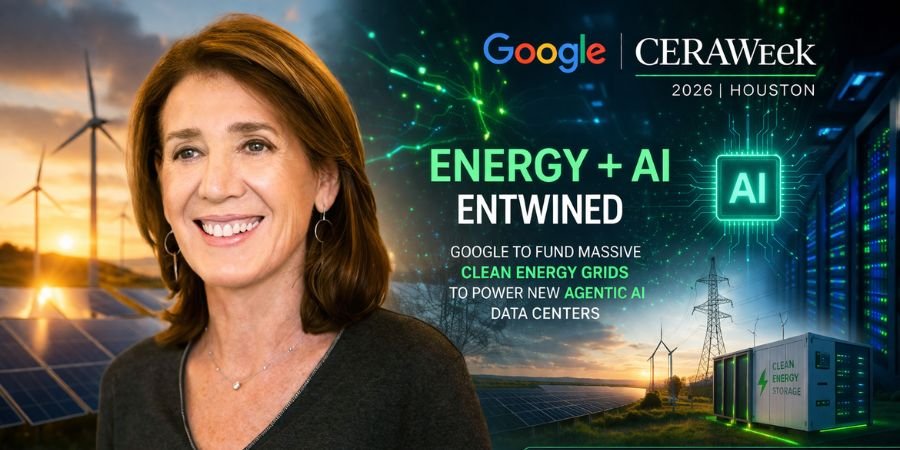
Ruth Porat, President and CIO of Alphabet Inc., took center stage at the final day of CERAWeek 2026 in Houston. She unveiled a major strategic initiative linking clean energy expansion with the rapid growth of artificial intelligence infrastructure.
Porat announced that Google will fund large-scale clean energy grids designed specifically to support its next generation of “Agentic AI” data centers. The move reflects the company’s dual ambition: scaling AI compute capacity while achieving its long-term Net Zero emissions goals.
Why Ruth Porat Is Trending Now
Ruth Porat is trending globally due to what analysts are calling the “Energy-AI Entwinement” strategy. As demand for AI-driven services surges, energy consumption from data centers has become a major concern for investors, policymakers, and environmental groups.
Her announcement directly addresses this challenge by proposing a synchronized expansion of renewable energy infrastructure alongside AI growth. Investors are particularly focused on her timeline for balancing increased computational demand with sustainability commitments.
Google’s Net Zero and AI Expansion Roadmap
During her address, Ruth Porat emphasized that Google aims to double its AI compute capabilities over the coming years without compromising its Net Zero targets. While specific dates were not fully disclosed, she indicated that significant milestones would be achieved before the end of the decade.
The strategy includes:
- Investing in advanced renewable energy grids
- Partnering with energy providers for scalable infrastructure
- Designing energy-efficient “Agentic AI” data centers
This integrated approach is intended to ensure that future AI systems are powered predominantly by clean energy sources.
Industry Impact and Market Reactions
The announcement has sparked widespread attention across both the tech and energy sectors. Analysts view Ruth Porat’s plan as a potential blueprint for how major tech companies can sustainably scale AI operations.
Energy companies are also expected to benefit, as demand for renewable infrastructure investment accelerates. Meanwhile, stakeholders are closely monitoring how Google will execute its ambitious plan amid increasing regulatory and environmental scrutiny.
What Comes Next?
As Ruth Porat continues to refine Google’s Energy-AI strategy, the industry will be watching for clearer timelines and measurable progress. The success of this initiative could redefine how technology giants approach sustainability in the age of AI—and set new standards for balancing innovation with environmental responsibility.
Also Read: Kyoko Matsushita Named APAC CEO to Transform WPP Creative