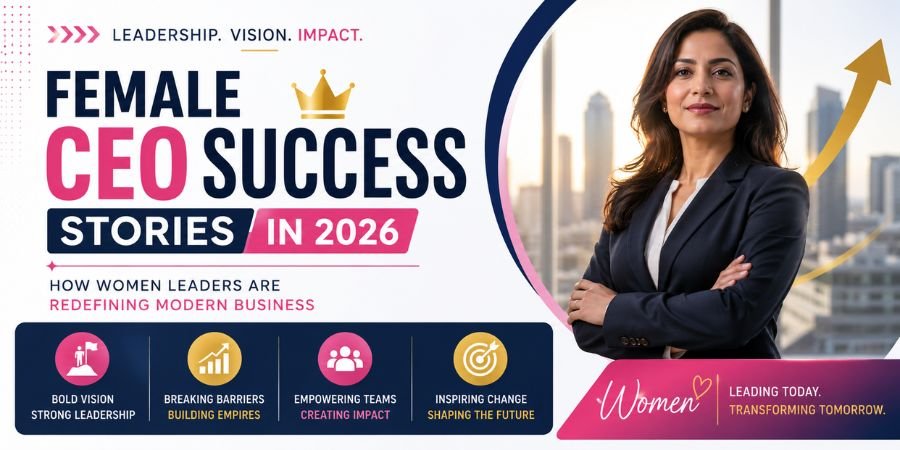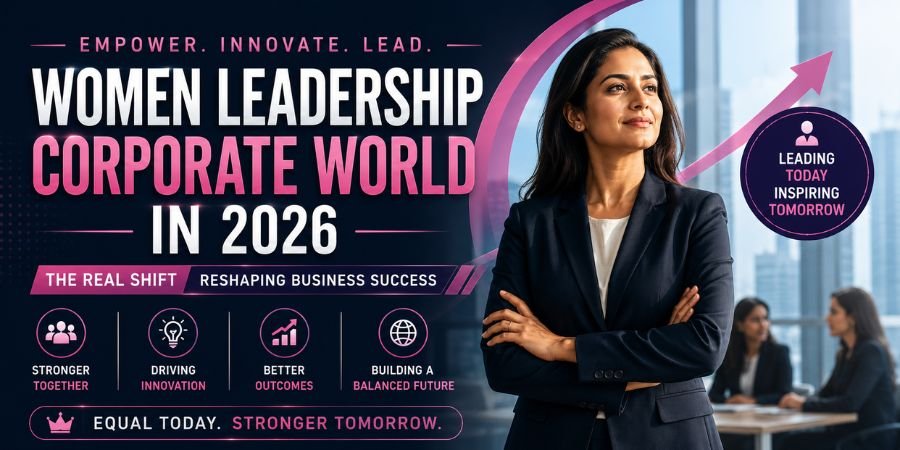
The global corporate landscape is changing faster than ever, but one transformation stands above the rest: the rise of women in leadership. Boardrooms that once lacked diversity are gradually opening to more balanced leadership structures, and businesses are beginning to understand a critical truth — companies perform better when women lead. The conversation around women leadership corporate culture is no longer limited to equality or representation. In 2026, it is about innovation, resilience, profitability, emotional intelligence, and sustainable business growth. Organizations across industries are recognizing that women leaders bring unique perspectives that improve collaboration, strengthen workplace culture, and drive long-term strategic success.
Yet despite this progress, the journey remains complex. Women continue to face barriers in executive promotions, pay equity, decision-making authority, and access to leadership opportunities. At the same time, countless women are breaking those barriers and redefining modern leadership with confidence and strategic influence. Understanding this shift is essential not only for aspiring leaders but also for businesses that want to stay competitive in the modern economy.
Why Women Leadership in the Corporate World Matters More Than Ever
The corporate world is no longer operating under traditional leadership expectations. Today’s business environment demands agility, empathy, communication, innovation, and adaptability. These qualities are increasingly associated with successful women leaders across industries.
Research from multiple global consulting firms consistently shows that organizations with gender-diverse leadership teams tend to outperform competitors financially. Diverse leadership encourages wider thinking, better risk assessment, stronger team engagement, and improved consumer understanding.
Women leaders also influence organizational culture in powerful ways. Companies with strong female leadership often demonstrate:
- Higher employee retention
- Better workplace collaboration
- Improved communication across departments
- Greater focus on inclusion and employee wellbeing
- Stronger ethical leadership practices
In 2026, businesses are facing workforce expectations that extend beyond salary and job titles. Employees want purpose-driven workplaces, mental health support, flexibility, and inclusive cultures. Women executives are often leading these workplace transformations successfully.
The Evolution of Women in Corporate Leadership
The journey of women into corporate leadership has been long and challenging. For decades, women were underrepresented in executive positions despite equal or higher educational qualifications.
In earlier corporate structures, leadership traits were narrowly defined around authority, aggression, and hierarchy. Modern leadership, however, values emotional intelligence, communication, adaptability, and collaborative thinking — areas where many women leaders excel naturally through experience and leadership style.
Over the last decade, major global corporations have started implementing policies that support women’s advancement, including:
- Leadership mentoring programs
- Flexible work environments
- Gender diversity targets
- Equal opportunity hiring initiatives
- Executive coaching for women professionals
- Maternity and return-to-work support systems
These initiatives are helping more women enter senior management positions, though significant gaps still remain in many sectors.
Key Traits That Make Women Effective Corporate Leaders
Women leaders are not successful because they lead like men. They succeed because they bring strengths that modern organizations increasingly need.
Emotional Intelligence
Emotional intelligence has become one of the most valuable leadership skills in today’s corporate environment. Women leaders often excel at understanding employee concerns, resolving conflicts diplomatically, and creating collaborative teams.
This capability improves morale and strengthens organizational trust.
Strong Communication Skills
Clear communication is critical in modern business operations. Women leaders frequently demonstrate transparent communication styles that encourage participation and team engagement.
This creates healthier workplace dynamics and reduces organizational silos.
Adaptability During Change
The business world in 2026 is shaped by rapid digital transformation, economic uncertainty, and changing workforce expectations. Women leaders are increasingly recognized for their ability to adapt during uncertain times while maintaining organizational stability.
Collaborative Decision-Making
Modern corporations benefit from inclusive leadership rather than authoritarian management. Women executives often involve teams in decision-making processes, leading to stronger innovation and improved execution.
Long-Term Strategic Thinking
Many successful women leaders focus on sustainable growth rather than short-term gains. This approach supports healthier organizational development and long-term profitability.
Industries Where Women Leadership Is Growing Rapidly
Women are making major leadership gains across several industries that were traditionally male-dominated.
Technology
The tech sector has historically struggled with gender diversity, but significant improvements are happening. Women founders, CTOs, and tech executives are leading AI companies, software startups, and cybersecurity firms.
Organizations are increasingly investing in women-focused STEM development programs to close leadership gaps.
Finance and Banking
Women executives are reshaping financial institutions through more customer-focused strategies, risk management approaches, and ethical leadership practices.
Many global banks now actively promote gender diversity in senior leadership roles.
Healthcare
Healthcare has become one of the strongest industries for women leadership corporate advancement. Women leaders are driving innovation in healthcare management, digital health systems, and patient-centered care models.
Media and Marketing
Creative industries are seeing rapid growth in female leadership due to changing consumer behavior and demand for more authentic brand communication.
Women leaders often bring stronger audience understanding and emotional branding strategies.
Entrepreneurship and Startups
Women entrepreneurs are building scalable startups in areas such as e-commerce, education technology, wellness, sustainability, and digital services.
Low investment business ideas and online business opportunities have enabled more women to enter entrepreneurship independently.
The Biggest Challenges Women Still Face in Corporate Leadership
Despite visible progress, women continue to encounter structural and cultural barriers in many organizations.
The Glass Ceiling Effect
Many women still struggle to advance beyond middle management despite strong performance records. Executive-level promotions often remain limited due to unconscious bias and outdated leadership expectations.
Unequal Pay
Gender pay gaps remain a serious issue globally. Women in leadership roles are frequently paid less than male counterparts for equivalent responsibilities.
Lack of Sponsorship
Mentorship helps career growth, but sponsorship drives promotions. Many women lack influential sponsors within organizations who actively advocate for their advancement.
Work-Life Balance Pressure
Women leaders often face greater societal pressure regarding family responsibilities and caregiving expectations. This can impact career progression and executive opportunities.
Bias in Leadership Perception
Women leaders are sometimes judged differently for behaviors that are accepted in male leaders. Assertiveness, confidence, and authority may be interpreted negatively due to unconscious gender bias.
How Companies Can Build Stronger Women Leadership Corporate Cultures
Businesses that genuinely want to support women leadership must move beyond symbolic diversity statements. Real change requires structural commitment.
Create Transparent Promotion Systems
Organizations should establish clear leadership criteria and promotion processes that minimize bias and reward measurable performance.
Invest in Leadership Development
Corporate leadership programs specifically designed for women can improve executive readiness and confidence.
Effective programs may include:
- Executive coaching
- Public speaking training
- Negotiation workshops
- Strategic management education
- Financial leadership training
Support Flexible Work Models
Flexible and hybrid work environments help retain talented women professionals, especially during caregiving stages.
Build Inclusive Workplace Cultures
Inclusion must become part of everyday workplace behavior rather than a marketing slogan.
This includes:
- Equal participation in meetings
- Respectful communication
- Diverse hiring panels
- Fair performance reviews
- Inclusive networking opportunities
Encourage Women Mentorship Networks
Strong professional networks significantly improve leadership development and career growth opportunities.
Women Leadership and Business Performance: The Real Connection
One of the strongest arguments for women leadership corporate advancement is measurable business performance.
Companies with diverse leadership teams often demonstrate:
- Higher profitability
- Better innovation outcomes
- Improved customer understanding
- Stronger employee engagement
- Reduced turnover rates
- Better crisis management performance
Women leaders frequently contribute to more balanced risk management strategies and healthier organizational decision-making.
This is particularly important in 2026 as businesses navigate:
- Artificial intelligence transformation
- Remote workforce management
- Economic volatility
- Sustainability expectations
- Global competition
Organizations that ignore leadership diversity may struggle to compete effectively in these rapidly changing environments.
Real-World Examples of Women Transforming Corporate Leadership
Indra Nooyi and Strategic Transformation
Former PepsiCo CEO Indra Nooyi became one of the most influential women in global business leadership.
Her leadership focused on long-term sustainability, healthier product innovation, and strategic transformation. She demonstrated how empathy and profitability can coexist successfully in corporate strategy.
Mary Barra in the Automotive Industry
Mary Barra transformed leadership expectations in the automotive industry by focusing on innovation, electric vehicles, and organizational modernization.
Her leadership style combined operational discipline with forward-thinking strategy.
Reshma Saujani and Women in Technology
Reshma Saujani created initiatives encouraging women and girls to enter technology fields.
Her work highlights how leadership extends beyond corporate profits into long-term societal transformation.
The Role of Women Entrepreneurs in Corporate Leadership Evolution
Entrepreneurship has become a major pathway for women leadership growth.
Many women are building businesses independently through:
- E-commerce brands
- Consulting services
- Online education platforms
- Digital marketing agencies
- Wellness startups
- Home-based business models
- Content creation companies
The rise of remote work and digital platforms has reduced traditional business entry barriers significantly.
Women entrepreneurs are proving that leadership is not limited to large corporations. Small business ideas and startup ideas are creating entirely new leadership ecosystems led by women founders.
How Young Women Can Prepare for Corporate Leadership Roles
The next generation of women leaders has greater access to education, digital tools, and networking opportunities than ever before.
However, preparation remains essential.
Develop Financial Literacy
Understanding finance, budgeting, and business economics strengthens executive readiness.
Women aspiring to leadership positions should learn:
- Financial reporting
- Business strategy
- Investment principles
- Revenue modeling
- Profitability analysis
Build Personal Branding
Professional visibility matters in modern corporate environments.
This includes:
- LinkedIn networking
- Public speaking
- Industry participation
- Thought leadership content
- Professional certifications
Strengthen Negotiation Skills
Many women undervalue their contributions during salary negotiations and promotion discussions.
Negotiation training can significantly improve career progression.
Seek Challenging Assignments
Leadership development happens through experience. Taking on difficult projects builds visibility and executive confidence.
Learn Technology and AI Skills
Digital transformation affects every industry. Women leaders who understand AI, automation, and digital systems will have stronger leadership advantages in 2026 and beyond.
Corporate Policies That Are Driving Change in 2026
Modern organizations are adopting more advanced diversity strategies than in previous years.
Gender Diversity Reporting
Many companies now publicly report leadership diversity statistics to improve transparency and accountability.
Leadership Quotas
Some corporations and governments are implementing board-level diversity requirements to accelerate gender balance.
AI Bias Monitoring
Organizations are using AI tools to identify bias in recruitment, performance evaluations, and promotion systems.
Leadership Returnship Programs
Companies are creating programs that help women return to leadership tracks after career breaks.
Executive Sponsorship Initiatives
More organizations are assigning senior executives to sponsor emerging women leaders internally.
The Future of Women Leadership Corporate Success
The future of corporate leadership is not about replacing one gender with another. It is about building balanced leadership systems that maximize organizational intelligence.
Businesses that embrace diverse leadership are likely to gain competitive advantages through:
- Better innovation
- Stronger culture
- Improved customer relationships
- Greater adaptability
- More sustainable growth
Women leaders will continue shaping the future of:
- Artificial intelligence governance
- Sustainable business strategy
- Workplace flexibility
- Employee wellbeing
- Ethical corporate leadership
The companies that thrive in 2026 and beyond will not simply tolerate diversity. They will actively build leadership structures that encourage different perspectives and inclusive thinking.
Practical Lessons Businesses Can Learn From Women Leaders
There are several leadership lessons modern organizations can apply immediately.
Leadership Is Not About Control
Many successful women leaders prioritize influence and collaboration over authority and hierarchy.
This creates stronger team loyalty and creativity.
Workplace Culture Impacts Profitability
Employee satisfaction directly affects business performance. Inclusive cultures improve productivity and retention.
Adaptability Is More Valuable Than Rigidity
Modern business environments require leaders who can evolve quickly during uncertainty.
Listening Improves Innovation
Organizations that encourage diverse voices often generate stronger ideas and more effective problem-solving strategies.
Sustainable Growth Beats Short-Term Thinking
Women leaders frequently focus on long-term organizational health rather than immediate performance metrics alone.
Common Mistakes Companies Make Regarding Women Leadership
Despite good intentions, many organizations still make critical mistakes.
Treating Diversity as Marketing
Diversity initiatives without real structural change rarely create lasting impact.
Promoting Without Support
Women promoted into leadership roles need access to mentorship, executive coaching, and organizational backing.
Ignoring Workplace Bias
Unconscious bias training must be ongoing rather than a one-time corporate activity.
Overloading Women Leaders
Women executives are sometimes expected to lead diversity initiatives alongside their primary responsibilities, creating unfair workloads.
Measuring Representation Instead of Inclusion
Hiring more women does not automatically create inclusive leadership cultures.
Practical Examples of Women Leadership Impact
Example 1: Transforming Team Culture
A mid-sized technology company promoted a woman executive to lead product operations after years of internal conflict and low employee retention.
Instead of using aggressive restructuring, she implemented:
- Open communication systems
- Cross-team collaboration meetings
- Flexible project management strategies
- Transparent performance expectations
Within 18 months, employee turnover decreased significantly while project delivery speed improved.
Example 2: Startup Growth Through Inclusive Leadership
A female founder launched an online wellness startup with minimal investment and remote staff.
Rather than focusing only on sales growth, she prioritized:
- Employee mental health
- Transparent communication
- Community-driven branding
- Customer feedback integration
The business gained strong customer loyalty and expanded internationally through organic digital growth.
Example 3: Crisis Leadership in Finance
During an economic downturn, a woman-led finance firm avoided mass layoffs by implementing collaborative cost-saving strategies and employee engagement programs.
This strengthened internal trust while protecting long-term business stability.
How Women Leadership Influences Workplace Innovation
Innovation depends on diverse thinking.
Homogeneous leadership teams often approach problems similarly, limiting creative solutions. Women leaders introduce different perspectives based on unique experiences, communication styles, and problem-solving approaches.
This improves:
- Product development
- Customer experience
- Brand communication
- Market expansion strategies
- Team creativity
Innovation becomes especially powerful when companies combine gender diversity with cultural, generational, and professional diversity.
The Connection Between Women Leadership and Employee Wellbeing
Employee wellbeing has become a major business priority in 2026.
Women leaders often prioritize:
- Mental health support
- Work-life balance
- Inclusive communication
- Team empathy
- Psychological safety
These practices improve:
- Productivity
- Employee loyalty
- Workplace morale
- Collaboration
- Recruitment success
Companies increasingly understand that healthy workplace cultures directly influence profitability.
Why Consumers Trust Diverse Brands More
Modern consumers care about company values.
Brands that demonstrate inclusive leadership often build stronger public trust because customers view them as:
- More ethical
- More relatable
- More socially responsible
- More modern
- More people-focused
This directly affects purchasing behavior, especially among younger generations.
Women leadership corporate visibility therefore influences both internal operations and external brand perception.
FAQ About Women Leadership Corporate Growth
Why is women leadership important in the corporate world?
Women leadership improves organizational diversity, innovation, communication, and long-term business performance. Diverse leadership teams often make more balanced and effective decisions.
What challenges do women face in corporate leadership?
Common challenges include gender bias, unequal pay, limited executive sponsorship, work-life balance pressures, and reduced access to senior leadership opportunities.
How can companies support women leaders better?
Businesses can support women leaders through transparent promotions, mentorship programs, flexible work policies, leadership training, and inclusive workplace cultures.
Are companies with women leaders more successful?
Many studies show that companies with gender-diverse leadership teams often perform better financially and maintain stronger workplace cultures.
How can young women prepare for leadership careers?
Young women can strengthen leadership potential through education, networking, financial literacy, negotiation skills, digital expertise, and professional visibility.
Conclusion
The rise of women leadership in the corporate world is not a temporary business trend. It represents a deeper transformation in how organizations define success, innovation, and leadership itself. Companies are beginning to realize that sustainable growth depends on diverse perspectives, inclusive decision-making, and emotionally intelligent leadership structures. Women leaders are helping shape workplaces that are not only more equitable but also more adaptable, profitable, and future-ready.
As businesses navigate technological disruption, workforce evolution, and global uncertainty in 2026, leadership diversity will become increasingly important. The organizations that recognize this shift early will likely build stronger cultures, attract better talent, and maintain greater long-term resilience. Women leadership corporate advancement is ultimately not just about representation — it is about building smarter businesses for the future.
Also Read: The Hidden Truth About SEP IRA Contribution Limits 2026 Most Savers Miss