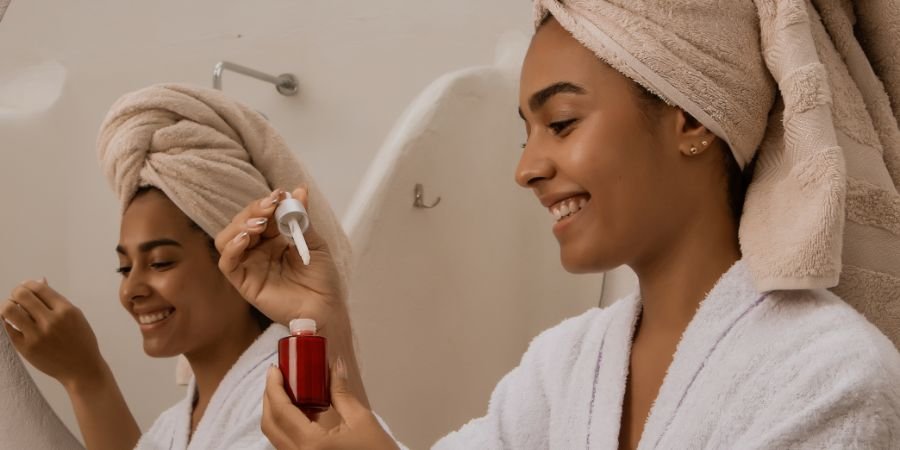
Everyone wants smooth, radiant skin that turns heads—but achieving it isn’t always simple. If you’ve been struggling with dullness, fine lines, or stubborn acne, a Retinol serum might be your skincare game-changer. Widely regarded as one of the most effective anti-aging and skin-renewing solutions, this powerhouse serum can make a visible difference when used correctly.
In this guide, we’ll dive deep into what Retinol serum is, how it works, the benefits, practical tips for use, and common questions answered. Whether you’re a skincare newbie or a beauty enthusiast, this article will help you unlock your skin’s full potential.
What is Retinol Serum?
A Retinol serum is a skincare product containing retinol, a derivative of vitamin A. Retinol works at the cellular level, promoting faster skin turnover and stimulating collagen production. This means it helps fade fine lines, wrinkles, acne scars, and dark spots, leaving your skin smoother and more youthful.
Unlike creams or oils, serums have a lightweight, fast-absorbing formula, making them highly effective. Their concentrated nature ensures that active ingredients penetrate deeper into the skin, delivering noticeable results.
How Retinol Serum Works
Retinol serum works by increasing the rate at which skin cells renew themselves. Over time, dead skin cells shed faster, while new, healthy cells surface. This process reduces the appearance of wrinkles, smooths texture, and brightens your complexion.
Additionally, retinol helps unclog pores, making it an excellent choice for those prone to acne or blackheads. By boosting collagen and elastin production, it also improves skin elasticity, preventing sagging and fine lines.
Benefits of Using Retinol Serum
Using a Retinol serum consistently can transform your skincare routine. Here are the key benefits:
1. Reduces Fine Lines and Wrinkles
Retinol stimulates collagen production, which plumps the skin and smooths out lines. Regular use can visibly reduce crow’s feet, forehead lines, and laugh lines.
2. Fights Acne and Blemishes
Retinol unclogs pores and reduces inflammation, making it ideal for acne-prone skin. It helps prevent new breakouts and diminishes post-acne scars.
3. Evens Skin Tone
Dark spots, sun damage, and hyperpigmentation can fade over time with retinol. A consistent routine can result in a more even, radiant complexion.
4. Enhances Skin Texture
Retinol serum promotes exfoliation at a cellular level. The result? Smoother, softer skin that feels rejuvenated.
5. Boosts Radiance
By removing dead skin cells and stimulating new ones, retinol serum helps your skin glow naturally, giving a youthful, fresh appearance.
Choosing the Right Retinol Serum
Not all Retinol serums are created equal. Selecting the right product for your skin type and concerns is crucial.
Consider Retinol Strength
- 0.1% – 0.3%: Ideal for beginners, sensitive skin, or those new to retinol.
- 0.5% – 1%: Suitable for regular users or those targeting noticeable wrinkles and dark spots.
- Above 1%: For experienced users; consult a dermatologist before using.
Check for Complementary Ingredients
Look for serums containing soothing agents like hyaluronic acid, niacinamide, or ceramides. These reduce irritation and enhance hydration.
Packaging Matters
Retinol is sensitive to light and air. Choose products in dark or opaque bottles with airtight pumps to maintain potency.
How to Incorporate Retinol Serum Into Your Routine
Using Retinol serum correctly is essential to prevent irritation and achieve results. Here’s a step-by-step guide:
Step 1: Start Slowly
Begin with 1–2 nights per week, gradually increasing frequency as your skin builds tolerance.
Step 2: Apply on Clean, Dry Skin
After cleansing and toning, apply a pea-sized amount evenly across your face. Avoid the eye area unless the serum is formulated for sensitive areas.
Step 3: Moisturize
Follow with a gentle moisturizer to prevent dryness or peeling, common side effects in the first few weeks.
Step 4: Use Sunscreen During the Day
Retinol increases sun sensitivity. Apply broad-spectrum SPF 30+ daily to protect your skin.
Tips for Beginners
- Patch Test First: Apply a small amount on your wrist or jawline to check for reactions.
- Avoid Mixing Harsh Actives: Skip combining with AHAs/BHAs or vitamin C at night to reduce irritation.
- Be Patient: Visible results can take 8–12 weeks. Consistency is key.
- Hydration is Essential: Use hydrating serums or creams to minimize dryness.
Retinol Serum for Different Skin Types
Dry Skin: Look for retinol serums with hydrating ingredients like glycerin, squalane, or hyaluronic acid.
Oily Skin: Lightweight, oil-free formulations help reduce breakouts without clogging pores.
Sensitive Skin: Start with low-strength retinol (0.1–0.3%) and use every 3–4 nights. Incorporate calming ingredients like aloe vera or chamomile.
Combination Skin: Focus on areas with concern—wrinkles or dark spots—and adjust frequency based on tolerance.
Common Mistakes to Avoid
- Using retinol too often or in high concentrations early on
- Skipping sunscreen during the day
- Applying retinol on wet skin
- Mixing with harsh exfoliants or acids
By avoiding these mistakes, you ensure maximum benefits without irritation.
Combining Retinol Serum With Other Skincare Products
A well-rounded skincare routine can enhance retinol’s effectiveness:
- Cleanser: Gentle, non-stripping cleansers prepare your skin.
- Toner: Hydrating toners balance pH and calm skin.
- Moisturizer: Locks in hydration and reduces dryness.
- Serums: Hyaluronic acid or peptides complement retinol for extra hydration and skin repair.
- Sunscreen: Daytime SPF protects from UV damage.
Retinol Serum vs. Retinoids
While “retinol” is a common term, it’s part of a broader family called retinoids:
- Retinol: Mild, over-the-counter option for anti-aging and acne.
- Retinaldehyde: Slightly stronger, works faster but may irritate sensitive skin.
- Tretinoin (Retinoic Acid): Prescription-only, highly potent for severe aging or acne.
Choosing the right product depends on your skin goals, tolerance, and dermatologist guidance.
Real-Life Examples
- Anna, 32, working professional: After 3 months of nightly retinol serum, noticed fine lines around her eyes softened, and her skin texture improved.
- Raj, 28, acne-prone skin: Used a retinol serum twice a week. Within 8 weeks, his breakouts reduced significantly, and acne scars started fading.
These examples show how versatile Retinol serum can be, whether your goal is anti-aging, acne control, or brightening.
FAQ About Retinol Serum
Q1: Can I use retinol serum during pregnancy?
A: No, retinol is not recommended during pregnancy or breastfeeding. Consult a doctor for safe alternatives like bakuchiol.
Q2: How long does it take to see results?
A: Most users notice improvements in skin texture and brightness within 8–12 weeks. Anti-aging effects may take longer.
Q3: Can I use retinol serum in the morning?
A: It’s best used at night. Retinol increases sun sensitivity, so daytime use without SPF can cause damage.
Q4: Is retinol serum suitable for sensitive skin?
A: Yes, with low-strength formulations and gradual introduction. Pairing with moisturizers and avoiding harsh products helps reduce irritation.
Conclusion
A Retinol serum is a must-have for anyone serious about skincare. Its proven ability to reduce wrinkles, fade dark spots, improve texture, and promote youthful radiance makes it a true powerhouse.
Starting slow, choosing the right concentration, and protecting your skin with hydration and sunscreen ensures maximum benefits without irritation. Whether your concern is aging, acne, or dullness, incorporating a retinol serum into your nighttime routine can revolutionize your skin.
Consistency, patience, and a smart routine are the keys to glowing, healthy skin. Begin today and let your skin reveal its full potential with the transformative power of a Retinol serum.
Leave a Reply