Category: Health

  • Hormone Imbalance: Causes, Symptoms, Treatment & Natural Ways to Restore Balance

    Hormone Imbalance: Causes, Symptoms, Treatment & Natural Ways to Restore Balance

    Hormones quietly control almost every function in your body. From your mood and metabolism to sleep and skin health, these chemical messengers work behind the scenes to keep everything running smoothly. But when a hormone imbalance occurs, the effects can feel overwhelming.

    Maybe you’ve been feeling constantly tired despite sleeping well. Or your weight is fluctuating without changes in diet. Mood swings, irregular periods, hair thinning, low libido — these are often brushed aside as “normal.” Yet they may signal a deeper issue: hormone imbalance.

    In this comprehensive guide, you’ll learn what causes hormone imbalance, how to recognize the symptoms, practical ways to restore balance naturally, and when to seek medical support. Let’s break it down in a simple, human way.

    What Is Hormone Imbalance?

    Hormones are chemical messengers produced by glands in the endocrine system. They travel through your bloodstream and instruct tissues and organs on what to do.

    A hormone imbalance happens when there is too much or too little of a specific hormone in the bloodstream. Even small changes can have major effects because hormones regulate:

    • Metabolism
    • Growth and development
    • Mood
    • Reproductive health
    • Sleep cycles
    • Stress response

    The key hormones most often involved include estrogen, progesterone, testosterone, insulin, cortisol, thyroid hormones, and melatonin.

    Common Causes of Hormone Imbalance

    Understanding the root cause is crucial before jumping into solutions.

    1. Chronic Stress

    Stress triggers the release of cortisol. When stress becomes long-term, cortisol stays elevated, which disrupts other hormones like thyroid and reproductive hormones.

    Example: A high-pressure job combined with poor sleep can lead to irregular cycles or stubborn belly fat.

    2. Poor Diet

    High sugar intake can cause insulin spikes, leading to insulin resistance over time. Processed foods may also disrupt gut health, affecting hormone production.

    3. Lack of Sleep

    Your body repairs and regulates hormones during sleep. Sleeping less than 6 hours consistently can disturb melatonin, cortisol, and insulin levels.

    4. Thyroid Disorders

    The thyroid gland regulates metabolism. Hypothyroidism or hyperthyroidism often leads to fatigue, weight changes, and mood disturbances.

    5. Polycystic Ovary Syndrome (PCOS)

    PCOS is a common cause of hormonal irregularities in women, particularly involving insulin and androgens.

    6. Menopause and Perimenopause

    Estrogen and progesterone levels fluctuate significantly during this stage, causing hot flashes, mood swings, and sleep disturbances.

    7. Medications

    Birth control pills, steroids, and certain antidepressants can affect hormonal patterns.

    Signs and Symptoms of Hormone Imbalance

    Symptoms vary depending on which hormone is affected. However, some patterns are common.

    In Women

    • Irregular or heavy periods
    • Severe PMS
    • Weight gain (especially around abdomen)
    • Acne along jawline
    • Hair thinning
    • Low libido
    • Night sweats

    In Men

    • Low testosterone
    • Reduced muscle mass
    • Fatigue
    • Erectile dysfunction
    • Mood changes

    In Both Genders

    • Brain fog
    • Insomnia
    • Anxiety or depression
    • Digestive issues
    • Sudden weight changes
    • Skin changes

    If multiple symptoms persist for months, it may point toward hormone imbalance rather than lifestyle fatigue alone.

    Hormone Imbalance and Mental Health

    Hormones and mental health are deeply connected.

    Low estrogen can trigger anxiety. High cortisol may increase irritability. Thyroid dysfunction can mimic depression.

    For example, someone struggling with persistent sadness might try therapy or medication — but if thyroid hormones are low, correcting them may significantly improve mood.

    This is why proper testing matters before assuming psychological causes.

    How Hormone Imbalance Affects Weight

    If you feel like you’re “doing everything right” but still gaining weight, hormones could be the missing piece.

    • High cortisol promotes fat storage around the abdomen.
    • Insulin resistance makes weight loss difficult.
    • Low thyroid hormones slow metabolism.
    • Estrogen dominance may cause water retention and bloating.

    Hormonal weight gain often feels resistant to traditional dieting. Addressing the root imbalance is more effective than extreme calorie restriction.

    Diagnosing Hormone Imbalance

    You shouldn’t self-diagnose. A healthcare professional may recommend:

    • Blood tests
    • Saliva hormone tests
    • Thyroid panel
    • Insulin and glucose testing
    • Ultrasound (for PCOS)

    Testing is usually done at specific times (for women, depending on menstrual cycle phase) to get accurate readings.

    Natural Ways to Support Hormone Balance

    While medical treatment may be necessary in some cases, lifestyle adjustments play a powerful role.

    1. Prioritize Sleep

    Aim for 7–9 hours nightly.

    Practical tip:

    • Keep room dark and cool
    • Avoid screens 1 hour before bed
    • Maintain consistent sleep schedule

    2. Balance Blood Sugar

    Stable blood sugar supports insulin and cortisol balance.

    Practical tips:

    • Eat protein with every meal
    • Reduce refined sugar
    • Include fiber-rich vegetables
    • Avoid skipping meals

    Example meal: Grilled chicken, quinoa, and sautéed vegetables instead of sugary breakfast cereal.

    3. Manage Stress Effectively

    You don’t need to eliminate stress — just regulate your response to it.

    • Deep breathing
    • Yoga
    • 20-minute daily walk
    • Journaling
    • Meditation

    Even 10 minutes daily can reduce cortisol levels.

    4. Strength Training

    Muscle improves insulin sensitivity and boosts testosterone and growth hormone.

    Aim for:

    • 2–4 strength sessions weekly
    • Focus on compound movements (squats, push-ups, rows)

    5. Support Gut Health

    The gut microbiome influences estrogen metabolism.

    Add:

    • Fermented foods (yogurt, kimchi)
    • Probiotics
    • Fiber-rich foods

    6. Reduce Endocrine Disruptors

    Certain chemicals mimic hormones.

    Avoid:

    • Plastic food containers (use glass)
    • Heating food in plastic
    • Excess synthetic fragrances

    Medical Treatments for Hormone Imbalance

    Lifestyle changes help, but sometimes medical support is essential.

    Hormone Replacement Therapy (HRT)

    Used often during menopause to manage symptoms like hot flashes and bone loss.

    Thyroid Medication

    Levothyroxine may be prescribed for hypothyroidism.

    Birth Control Pills

    Used to regulate menstrual cycles and manage PCOS symptoms.

    Insulin-Sensitizing Drugs

    Metformin is often used for insulin resistance.

    Always consult a doctor before starting supplements or medication.

    Hormone Imbalance in Different Life Stages

    Teenage Years

    Puberty naturally involves hormonal shifts. Acne and mood swings are common.

    Reproductive Years

    Pregnancy, postpartum period, and menstrual cycles can cause fluctuations.

    Perimenopause

    Begins years before menopause, often causing subtle but disruptive changes.

    Understanding life stage context prevents unnecessary panic.

    Can Supplements Help?

    Some supplements show promise, but results vary.

    Commonly used:

    • Vitamin D
    • Magnesium
    • Omega-3 fatty acids
    • Ashwagandha
    • Inositol (for PCOS)

    Important: Supplements should be guided by testing, not trends.

    When to See a Doctor

    Seek medical advice if you experience:

    • Sudden unexplained weight gain
    • Persistent fatigue
    • Irregular or missed periods
    • Severe mood changes
    • Hair loss
    • Infertility

    Early intervention prevents long-term complications.

    Practical 7-Day Hormone Reset Plan

    Here’s a simple starting framework:

    Day 1–2:

    • Clean up diet (remove processed sugar)
    • Drink 2–3 liters water daily

    Day 3–4:

    • Add 20-minute walks
    • Sleep before 11 PM

    Day 5–6:

    • Begin strength training
    • Add leafy greens to meals

    Day 7:

    • Reflect and plan consistency

    This isn’t a cure, but it’s a reset foundation.

    Hormone Imbalance and Fertility

    Reproductive hormones must work in harmony for ovulation.

    Common issues:

    • PCOS
    • Thyroid dysfunction
    • High prolactin
    • Low progesterone

    Balancing hormones improves ovulation patterns and overall reproductive health.

    FAQs About Hormone Imbalance

    1. How long does it take to fix hormone imbalance?

    It depends on the cause. Lifestyle-related imbalances may improve within 3–6 months, while medical conditions require longer treatment.

    2. Can hormone imbalance go away on its own?

    Temporary fluctuations may normalize, but chronic imbalance usually needs lifestyle or medical intervention.

    3. What is the best diet for hormone health?

    A whole-food diet rich in protein, fiber, healthy fats, and low in refined sugar supports hormonal stability.

    4. Does stress really cause hormonal problems?

    Yes. Chronic stress raises cortisol, which can disrupt thyroid, reproductive, and insulin hormones.

    Final Thoughts: Take Control of Your Hormonal Health

    Your body is constantly communicating with you. Fatigue, mood swings, weight changes — these aren’t random inconveniences. They may signal hormone imbalance that deserves attention.

    The good news? Hormones are responsive. Small daily actions — better sleep, stable blood sugar, stress management — create powerful long-term results.

    If symptoms persist, seek proper testing. Don’t guess. Don’t ignore the signs.

    With awareness, consistency, and the right guidance, restoring balance is not just possible — it’s achievable.

    Your health isn’t just about willpower. Sometimes, it’s about chemistry.

  • Effective Weight Loss for Women: Strategies, Tips, and Real-Life Insights

    Effective Weight Loss for Women: Strategies, Tips, and Real-Life Insights

    Losing weight is a journey, and for women, it can feel particularly challenging. Hormonal fluctuations, busy schedules, and metabolism changes often make the scale stubborn. But here’s the good news: weight loss for women is absolutely achievable with the right approach, mindset, and consistency.

    Whether your goal is to feel more energetic, improve health markers, or simply fit into your favorite outfits again, this guide will give you practical strategies, science-backed tips, and real-life examples to succeed.

    Understanding Weight Loss for Women

    Why Women’s Weight Loss Is Different

    Women’s bodies respond differently to weight loss due to hormones, metabolism, and body composition. For instance, estrogen influences fat storage, particularly around the hips and thighs. Additionally, women often have less muscle mass than men, which can slow down calorie burning.

    Key takeaway: Recognizing these differences helps set realistic expectations and avoids frustration.

    The Role of Hormones

    Hormones like estrogen, progesterone, and insulin play major roles in weight loss for women. For example:

    • Estrogen: Regulates fat distribution, particularly during menstrual cycles.
    • Progesterone: Can affect water retention and appetite.
    • Insulin: Controls blood sugar and fat storage.

    Understanding these hormonal patterns can help women tailor diet and exercise for better results.

    Diet Strategies for Weight Loss

    Prioritize Protein

    Protein is crucial for weight loss because it boosts metabolism, preserves muscle mass, and increases satiety. Women often underestimate protein needs, especially during calorie restriction.

    Examples of protein sources:

    • Eggs, Greek yogurt, and cottage cheese
    • Lean meats like chicken, turkey, and fish
    • Plant-based options: lentils, beans, tofu, quinoa

    Tip: Aim for at least 20–30 grams of protein per meal to stay full and maintain muscle mass.

    Manage Carbs Wisely

    Carbohydrates aren’t the enemy. Choosing the right type and timing is key:

    • Opt for complex carbs: oats, brown rice, sweet potatoes
    • Avoid excessive refined carbs: pastries, white bread, sugary drinks
    • Pair carbs with protein/fiber to prevent blood sugar spikes

    Example: Instead of a sugary breakfast cereal, try oatmeal topped with nuts, berries, and a scoop of Greek yogurt.

    Healthy Fats Are Essential

    Healthy fats support hormones, energy, and satiety. Include:

    • Avocados
    • Nuts and seeds
    • Olive oil and fatty fish (salmon, mackerel)

    Tip: A handful of nuts as a snack can prevent overeating later in the day.

    Mindful Eating

    Many women struggle with emotional or mindless eating. Practicing mindful eating helps:

    • Eat slowly and chew thoroughly
    • Avoid distractions like TV or phones while eating
    • Recognize hunger vs. cravings

    Practical tip: Keep a food journal for a week to identify patterns.

    Exercise Tips for Women’s Weight Loss

    Strength Training Is Non-Negotiable

    Many women focus solely on cardio, fearing strength training will make them “bulky.” In reality, lifting weights helps:

    • Build lean muscle, which boosts metabolism
    • Improve body composition (fat loss vs. just weight loss)
    • Strengthen bones and joints

    Example workout:

    • 3x per week full-body circuit
    • Squats, lunges, push-ups, dumbbell rows
    • 2–3 sets of 12–15 reps

    Cardio for Fat Loss

    Cardio complements strength training and burns calories efficiently. Women can try:

    • Brisk walking or jogging
    • Cycling or spinning
    • HIIT (High-Intensity Interval Training) for faster results

    Tip: HIIT 2–3 times per week is enough; overdoing cardio can increase cortisol and hinder weight loss for women.

    Don’t Forget Movement Throughout the Day

    Even outside workouts, staying active is key:

    • Take stairs instead of elevators
    • Walk during breaks
    • Use a standing desk

    Every step adds up to improve metabolism and energy levels.

    Lifestyle Habits That Support Weight Loss

    Prioritize Sleep

    Sleep is often overlooked but is critical for weight loss for women. Poor sleep:

    • Increases hunger hormones (ghrelin)
    • Reduces satiety hormones (leptin)
    • Slows metabolism

    Goal: 7–9 hours of quality sleep per night.

    Stress Management

    Chronic stress triggers cortisol, promoting fat storage around the midsection. Manage stress through:

    • Meditation or deep breathing
    • Yoga or stretching
    • Hobbies and social connections

    Pro tip: Even 10 minutes of deep breathing daily can reduce cravings and improve focus.

    Stay Hydrated

    Water is essential for metabolism and appetite control. Dehydration can mimic hunger, leading to unnecessary snacking.

    Tip: Start each meal with a glass of water. Aim for 2–3 liters daily.

    Weight Loss Challenges Specific to Women

    Hormonal Fluctuations

    Many women notice changes in weight during:

    • Menstrual cycles
    • Pregnancy and postpartum
    • Menopause

    These phases may slow progress temporarily but don’t discourage persistence.

    Plateaus

    Weight loss plateaus are normal. Combat them by:

    • Reassessing caloric intake
    • Adding new workouts or increasing intensity
    • Focusing on strength training

    Tip: Track measurements, not just the scale. Body composition matters more than numbers.

    Real-Life Tips for Sustainable Results

    1. Set realistic goals: Aim for 0.5–1 kg per week; fast weight loss often isn’t sustainable.
    2. Meal prep smartly: Pre-plan balanced meals to avoid last-minute junk food.
    3. Accountability matters: Partner with a friend, coach, or online group.
    4. Track progress: Take photos, measurements, and journal feelings to celebrate non-scale victories.
    5. Be kind to yourself: Weight loss is a journey, not a punishment.

    Common Mistakes Women Make in Weight Loss

    • Skipping meals: Slows metabolism and increases overeating later.
    • Over-reliance on cardio: Strength training is key for long-term fat loss.
    • Ignoring protein intake: Leads to muscle loss and slower metabolism.
    • Comparing to others: Everyone’s body is unique; focus on your progress.

    FAQs About Weight Loss for Women

    Q1: How much weight can women lose in a month safely?
    A1: A safe and sustainable range is 2–4 kg per month, depending on starting weight, diet, and exercise habits.

    Q2: Can women lose weight without dieting?
    A2: Yes, focusing on portion control, healthier food choices, and regular exercise can lead to weight loss without strict diets.

    Q3: Is it true that women burn fewer calories than men?
    A3: Generally, yes. Women tend to have less muscle mass and lower basal metabolic rates, so weight loss may be slower compared to men.

    Q4: How does menopause affect weight loss?
    A4: Hormonal changes during menopause can slow metabolism and increase abdominal fat. Strength training, balanced diet, and stress management are crucial during this phase.

    Conclusion

    Weight loss for women is not just about dieting or endless workouts—it’s about understanding your body, making sustainable lifestyle changes, and embracing a holistic approach. By prioritizing protein, strength training, sleep, and mindful habits, women can achieve lasting results. Remember, consistency beats perfection. Every small step adds up to a healthier, stronger, and more confident version of yourself.

    Start today, stay patient, and focus on progress over perfection. Your body—and mind—will thank you.

  • Calorie Calculator: Your Ultimate Guide to Tracking Calories for Better Health

    Calorie Calculator: Your Ultimate Guide to Tracking Calories for Better Health

    Unlock Your Health Potential with a Calorie Calculator

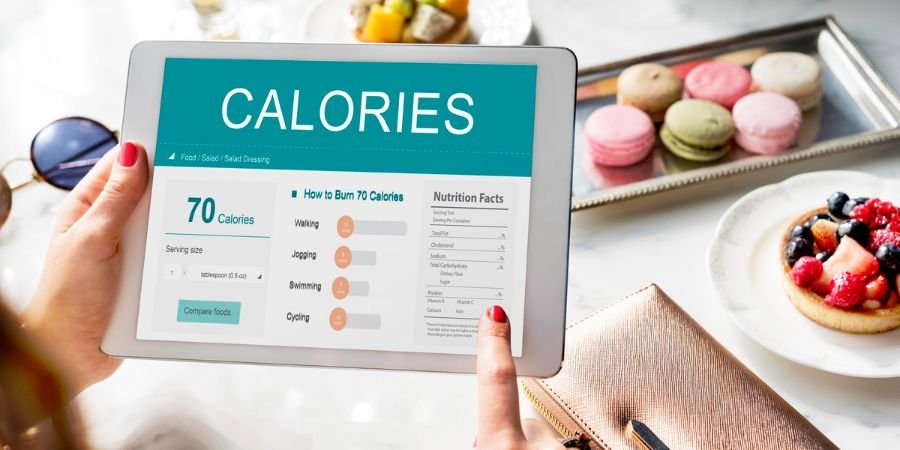
    Ever wondered why some diets work for your friends but not for you? Or why, despite eating “healthy,” the scale doesn’t budge? The answer often lies in understanding how many calories your body actually needs. This is where a calorie calculator comes in—a simple tool that can completely transform the way you approach nutrition.

    In this guide, we’ll explore how a calorie calculator works, why it’s crucial for weight management, and how you can use it in your everyday life. Whether you want to lose weight, gain muscle, or simply maintain a healthy lifestyle, this guide has practical tips and insights for you.

    What Is a Calorie Calculator?

    A calorie calculator is an online tool or app that estimates the number of calories your body needs each day. It considers factors like age, weight, height, gender, and activity level.

    Think of it as a personalized roadmap for your nutrition. Instead of guessing how much to eat, a calorie calculator gives you a starting point to reach your goals.

    How It Works

    Most calorie calculators use formulas like the Harris-Benedict equation or Mifflin-St Jeor formula to estimate your Basal Metabolic Rate (BMR)—the calories your body needs at rest. Then, it multiplies that by an activity factor to account for exercise and daily movement.

    For example:

    • Sedentary (little or no exercise): BMR × 1.2
    • Lightly active (light exercise 1–3 days/week): BMR × 1.375
    • Moderately active (moderate exercise 3–5 days/week): BMR × 1.55
    • Very active (hard exercise 6–7 days/week): BMR × 1.725

    This gives you your Total Daily Energy Expenditure (TDEE)—the number of calories you need to maintain your current weight.

    Why You Should Use a Calorie Calculator

    Using a calorie calculator is not just about losing weight. Here are some key reasons it’s worth using:

    1. Personalized Insights: Everyone’s metabolism is different. A calorie calculator gives tailored recommendations.
    2. Weight Management: It helps you determine how many calories to eat for losing, gaining, or maintaining weight.
    3. Track Nutritional Balance: It can guide your protein, carb, and fat intake.
    4. Improved Awareness: Knowing your caloric needs helps you make smarter food choices.

    Even small adjustments can make a big difference over time. For example, eating 200 fewer calories daily can result in nearly 20 pounds of weight loss in a year.

    How to Use a Calorie Calculator Effectively

    Using a calorie calculator is easy, but getting the most out of it requires a few practical steps:

    Step 1: Input Your Personal Details

    Enter your age, gender, height, weight, and activity level. Accuracy matters here—overestimating activity or underestimating weight can skew results.

    Step 2: Set Your Goal

    Decide whether you want to lose, gain, or maintain weight. The calculator will adjust your recommended calories accordingly:

    • Weight Loss: Reduce daily calories by 10–20%
    • Weight Gain: Increase calories by 10–20%
    • Maintenance: Stick to your calculated TDEE

    Step 3: Track Your Intake

    Use apps or a journal to record everything you eat. This helps ensure you’re following your calculated calorie targets.

    Step 4: Adjust as Needed

    Your body changes over time. Recalculate every few weeks to keep your plan accurate and effective.

    Tips for Maximizing Results

    A calorie calculator works best when paired with healthy habits:

    1. Prioritize Protein: Helps with muscle growth and keeps you full longer.
    2. Balance Your Macronutrients: Carbs, fats, and proteins all have a role.
    3. Don’t Obsess: Use it as a guide, not a strict rule. Flexibility matters.
    4. Combine With Exercise: Strength training and cardio amplify results.

    For example, if your calorie calculator suggests 2,000 calories/day, you might split it like this:

    • 40% carbs → 200g
    • 30% protein → 150g
    • 30% fat → 67g

    This ensures you’re hitting nutritional goals, not just calorie numbers.

    Common Mistakes When Using a Calorie Calculator

    Even the best calorie calculator can be misused. Avoid these pitfalls:

    • Ignoring Food Quality: Calories are important, but so are nutrients. 2,000 calories of junk food won’t equal 2,000 calories of balanced meals.
    • Skipping Updates: Weight changes affect your calorie needs. Recalculate regularly.
    • Overestimating Activity: Many people overestimate how many calories they burn in exercise.

    Staying mindful and consistent is the key to long-term success.

    Real-Life Example: How a Calorie Calculator Transforms Your Plan

    Let’s say Sarah is 30 years old, 5’6”, 160 lbs, and moderately active. Using a calorie calculator, she finds her TDEE is 2,200 calories/day.

    • Goal: Lose weight
    • Adjusted Calories: 1,800/day
    • Macronutrients: 150g protein, 200g carbs, 60g fat

    By tracking her meals and sticking to her plan, Sarah loses 1–2 pounds per week—without feeling deprived or guessing portion sizes.

    Choosing the Right Calorie Calculator

    Not all calculators are created equal. Look for one that:

    • Includes activity levels
    • Lets you set goals
    • Provides macronutrient breakdowns
    • Offers tracking options

    Some popular options include MyFitnessPal, Cronometer, and Lose It!. The key is consistency rather than the tool itself.

    FAQs About Calorie Calculator

    1. How accurate is a calorie calculator?
    It’s an estimate based on averages. Accuracy improves with precise data and regular updates. Think of it as a roadmap, not a rulebook.

    2. Can a calorie calculator help me gain muscle?
    Yes! By calculating your calorie surplus and tracking protein intake, you can optimize muscle growth while minimizing fat gain.

    3. Do I need to count calories forever?
    Not necessarily. Once you understand your body’s needs, you can maintain awareness without strict tracking.

    4. Can I use a calorie calculator for intermittent fasting?
    Absolutely. Calculate your TDEE and plan your meals within your eating window to ensure adequate nutrition.

    Final Thoughts: Why a Calorie Calculator Is Your Best Friend

    A calorie calculator isn’t a magic pill—but it’s a powerful tool for anyone looking to take control of their health. By giving personalized guidance, helping with weight management, and improving nutritional awareness, it simplifies one of the most confusing aspects of healthy living: how much to eat.

    Remember, it’s about balance, consistency, and flexibility. Track your calories, adjust your habits, and pair them with exercise. Over time, the results compound—not just in pounds lost or gained, but in energy, confidence, and overall well-being.

    Start today: plug your numbers into a calorie calculator and take the first step toward smarter, healthier living.