Losing weight is a journey, and for women, it can feel particularly challenging. Hormonal fluctuations, busy schedules, and metabolism changes often make the scale stubborn. But here’s the good news: weight loss for women is absolutely achievable with the right approach, mindset, and consistency.
Whether your goal is to feel more energetic, improve health markers, or simply fit into your favorite outfits again, this guide will give you practical strategies, science-backed tips, and real-life examples to succeed.
Understanding Weight Loss for Women
Why Women’s Weight Loss Is Different
Women’s bodies respond differently to weight loss due to hormones, metabolism, and body composition. For instance, estrogen influences fat storage, particularly around the hips and thighs. Additionally, women often have less muscle mass than men, which can slow down calorie burning.
Key takeaway: Recognizing these differences helps set realistic expectations and avoids frustration.
The Role of Hormones
Hormones like estrogen, progesterone, and insulin play major roles in weight loss for women. For example:
- Estrogen: Regulates fat distribution, particularly during menstrual cycles.
- Progesterone: Can affect water retention and appetite.
- Insulin: Controls blood sugar and fat storage.
Understanding these hormonal patterns can help women tailor diet and exercise for better results.
Diet Strategies for Weight Loss
Prioritize Protein
Protein is crucial for weight loss because it boosts metabolism, preserves muscle mass, and increases satiety. Women often underestimate protein needs, especially during calorie restriction.
Examples of protein sources:
- Eggs, Greek yogurt, and cottage cheese
- Lean meats like chicken, turkey, and fish
- Plant-based options: lentils, beans, tofu, quinoa
Tip: Aim for at least 20–30 grams of protein per meal to stay full and maintain muscle mass.
Manage Carbs Wisely
Carbohydrates aren’t the enemy. Choosing the right type and timing is key:
- Opt for complex carbs: oats, brown rice, sweet potatoes
- Avoid excessive refined carbs: pastries, white bread, sugary drinks
- Pair carbs with protein/fiber to prevent blood sugar spikes
Example: Instead of a sugary breakfast cereal, try oatmeal topped with nuts, berries, and a scoop of Greek yogurt.
Healthy Fats Are Essential
Healthy fats support hormones, energy, and satiety. Include:
- Avocados
- Nuts and seeds
- Olive oil and fatty fish (salmon, mackerel)
Tip: A handful of nuts as a snack can prevent overeating later in the day.
Mindful Eating
Many women struggle with emotional or mindless eating. Practicing mindful eating helps:
- Eat slowly and chew thoroughly
- Avoid distractions like TV or phones while eating
- Recognize hunger vs. cravings
Practical tip: Keep a food journal for a week to identify patterns.
Exercise Tips for Women’s Weight Loss
Strength Training Is Non-Negotiable
Many women focus solely on cardio, fearing strength training will make them “bulky.” In reality, lifting weights helps:
- Build lean muscle, which boosts metabolism
- Improve body composition (fat loss vs. just weight loss)
- Strengthen bones and joints
Example workout:
- 3x per week full-body circuit
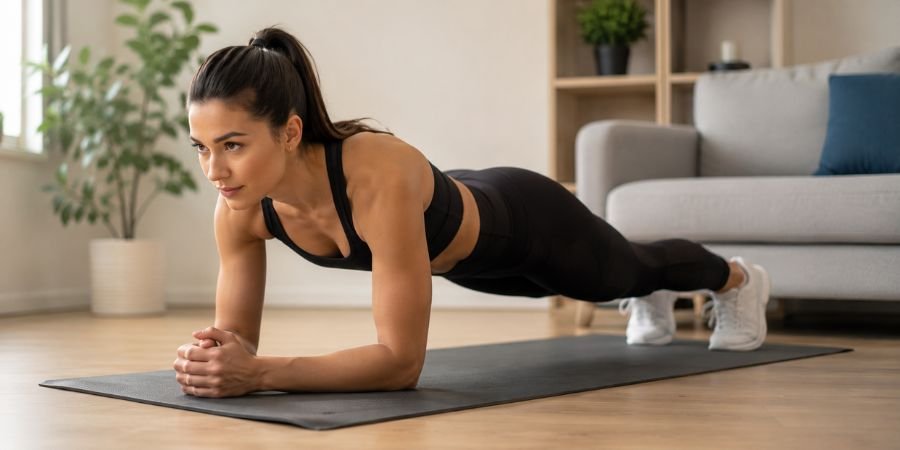
- Squats, lunges, push-ups, dumbbell rows
- 2–3 sets of 12–15 reps
Cardio for Fat Loss
Cardio complements strength training and burns calories efficiently. Women can try:
- Brisk walking or jogging
- Cycling or spinning
- HIIT (High-Intensity Interval Training) for faster results
Tip: HIIT 2–3 times per week is enough; overdoing cardio can increase cortisol and hinder weight loss for women.
Don’t Forget Movement Throughout the Day
Even outside workouts, staying active is key:
- Take stairs instead of elevators
- Walk during breaks
- Use a standing desk
Every step adds up to improve metabolism and energy levels.
Lifestyle Habits That Support Weight Loss
Prioritize Sleep
Sleep is often overlooked but is critical for weight loss for women. Poor sleep:
- Increases hunger hormones (ghrelin)
- Reduces satiety hormones (leptin)
- Slows metabolism
Goal: 7–9 hours of quality sleep per night.
Stress Management
Chronic stress triggers cortisol, promoting fat storage around the midsection. Manage stress through:
- Meditation or deep breathing
- Yoga or stretching
- Hobbies and social connections
Pro tip: Even 10 minutes of deep breathing daily can reduce cravings and improve focus.
Stay Hydrated
Water is essential for metabolism and appetite control. Dehydration can mimic hunger, leading to unnecessary snacking.
Tip: Start each meal with a glass of water. Aim for 2–3 liters daily.
Weight Loss Challenges Specific to Women
Hormonal Fluctuations
Many women notice changes in weight during:
- Menstrual cycles
- Pregnancy and postpartum
- Menopause
These phases may slow progress temporarily but don’t discourage persistence.
Plateaus
Weight loss plateaus are normal. Combat them by:
- Reassessing caloric intake
- Adding new workouts or increasing intensity
- Focusing on strength training
Tip: Track measurements, not just the scale. Body composition matters more than numbers.
Real-Life Tips for Sustainable Results
- Set realistic goals: Aim for 0.5–1 kg per week; fast weight loss often isn’t sustainable.
- Meal prep smartly: Pre-plan balanced meals to avoid last-minute junk food.
- Accountability matters: Partner with a friend, coach, or online group.
- Track progress: Take photos, measurements, and journal feelings to celebrate non-scale victories.
- Be kind to yourself: Weight loss is a journey, not a punishment.
Common Mistakes Women Make in Weight Loss
- Skipping meals: Slows metabolism and increases overeating later.
- Over-reliance on cardio: Strength training is key for long-term fat loss.
- Ignoring protein intake: Leads to muscle loss and slower metabolism.
- Comparing to others: Everyone’s body is unique; focus on your progress.
FAQs About Weight Loss for Women
Q1: How much weight can women lose in a month safely?
A1: A safe and sustainable range is 2–4 kg per month, depending on starting weight, diet, and exercise habits.
Q2: Can women lose weight without dieting?
A2: Yes, focusing on portion control, healthier food choices, and regular exercise can lead to weight loss without strict diets.
Q3: Is it true that women burn fewer calories than men?
A3: Generally, yes. Women tend to have less muscle mass and lower basal metabolic rates, so weight loss may be slower compared to men.
Q4: How does menopause affect weight loss?
A4: Hormonal changes during menopause can slow metabolism and increase abdominal fat. Strength training, balanced diet, and stress management are crucial during this phase.
Conclusion
Weight loss for women is not just about dieting or endless workouts—it’s about understanding your body, making sustainable lifestyle changes, and embracing a holistic approach. By prioritizing protein, strength training, sleep, and mindful habits, women can achieve lasting results. Remember, consistency beats perfection. Every small step adds up to a healthier, stronger, and more confident version of yourself.
Start today, stay patient, and focus on progress over perfection. Your body—and mind—will thank you.